

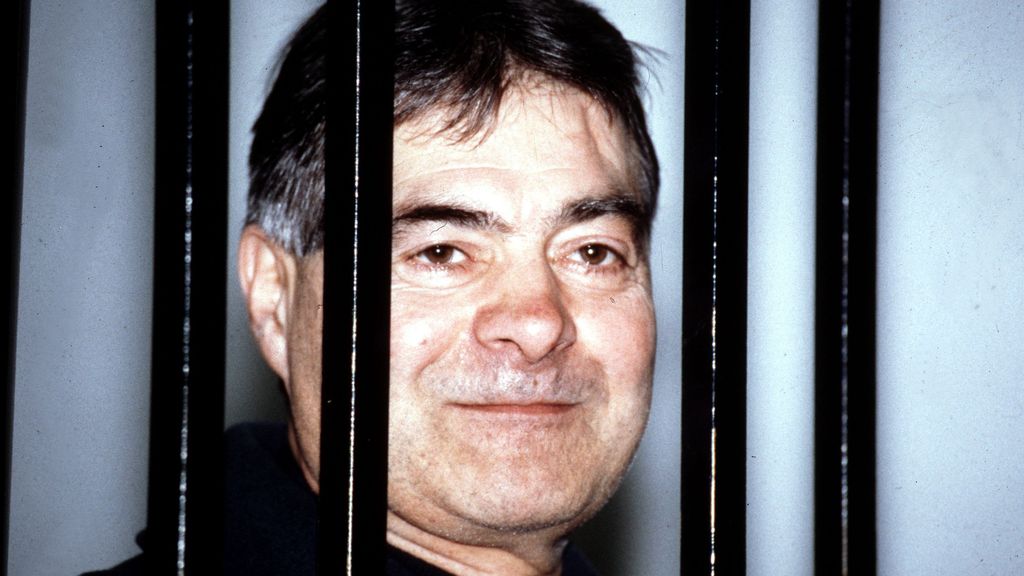
By David Amoruso for Gangsters Inc.
Benedetto “Nitto” Santapaola, the iron-fisted Catania boss who helped turn eastern Sicily into a battlefield during the mafia wars of the 1980s, died Monday afternoon in the prison ward of Milan's San Paolo hospital. He was 87 years old. Italian media reported that the longtime Cosa Nostra leader had been in poor health in recent months.

Born in Catania, on the island of Sicily, Santapaola comes from a family steeped in the tradition of Cosa Nostra. By the late 1970s and early 1980s, he had cemented his place among the Sicilian underworld elite, forging a powerful alliance with Salvatore “Toto” Riinathe ruthless leader of Corleonesi faction.
His connection to Riina offered Santapaola a chance to become the top boss of the Catania family, which was then led by Giuseppe “Pippo” Calderone. Corleonesi of Riina wanted total control over the Sicilian Mafia and ensured that their followers led vital criminal clans.

Calderone was one of the bosses who stood in the way of Riina. In September 1978, he was no longer standing, but lay dead in a pool of blood. Santapaola replaced him as boss and joined the Corleonesi in the bloody internal mafia conflict known as the Second Mafia War.
As Riina tightened his grip on Cosa Nostra, Santapaola consolidated his control in Cataniasupporting Corleonesi's strategy of annihilating his rivals. One of the biggest flashpoints came during the feud with the faction led by Alfio Ferlito. In 1982, Ferlito was ambushed and murdered while being transferred between prisons under carabinieri escort, a brazen attack that signaled the dominance of the Corleonesi and the vulnerability of the state.
War against the state

The violence did not stop there. Shortly after the assassination of Ferlito, the Carabinieri general Carlo Alberto Dalla Chiesahis wife Emanuela Setti Carraro and agent Domenico Russo were assassinated in Palermo on September 3, 1982. Before his death, the general reportedly discovered evidence that Santapaola was in the pay of four prominent real estate developers with close ties to Rome's political circles.
This revelation would echo one of Italy's most explosive anti-mafia investigations. Giovanni Falconethe crusader magistrate who led the Maxi Trial against Cosa Nostra, later discovered a note referring to the general's findings. Falcone ordered an investigation into the developers, revealing what prosecutors described as a close nexus between organized crime, business interests and political power.

Santapaola's name also surfaced in the 1984 murder of investigative journalist Giuseppe Fava, who had written extensively about mafia infiltration of Catania's business world. Fava was shot dead outside a theater. Courts later concluded that Santapaola ordered the hit, with one of his nephews identified as the triggerman.
The legal judgment came in waves. In 1987, Santapaola was sentenced in absentia to life in prison for Ferlito's murder. But he remained a fugitive, protected by loyalists and a vast support network, until 1993, when authorities found him on a farm near Catania. He had then been on the run for more than ten years.
The convictions continued to pile up. In 1996, he was given another life sentence for the murder of Chief Inspector Giovanni Lizzio, who was killed in 1992. A year later, he received another sentence for his role in the assassination of Falcone, who was also killed in 1992 when hundreds of kilograms of explosives exploded under a highway near Palermo as his motorcade passed overhead. The bomb, hidden in drainage tunnels under the road, marked one of the darkest chapters in Italy's fight against organized crime.

Two months after Falcone's assassination, another anti-mafia magistrate Paolo Borsellino was also murdered in a car bombing. Riina was ultimately convicted for orchestrating this coup, furthering the Corleonesi's legacy of terror.
With Santapaola's death, another figure from Cosa Nostra's most violent era disappears. But the scars left by the campaigns he helped lead against his rivals, the press and the Italian state, remain etched in Sicily's modern history.
Copyright © Gangsters Inc.
