

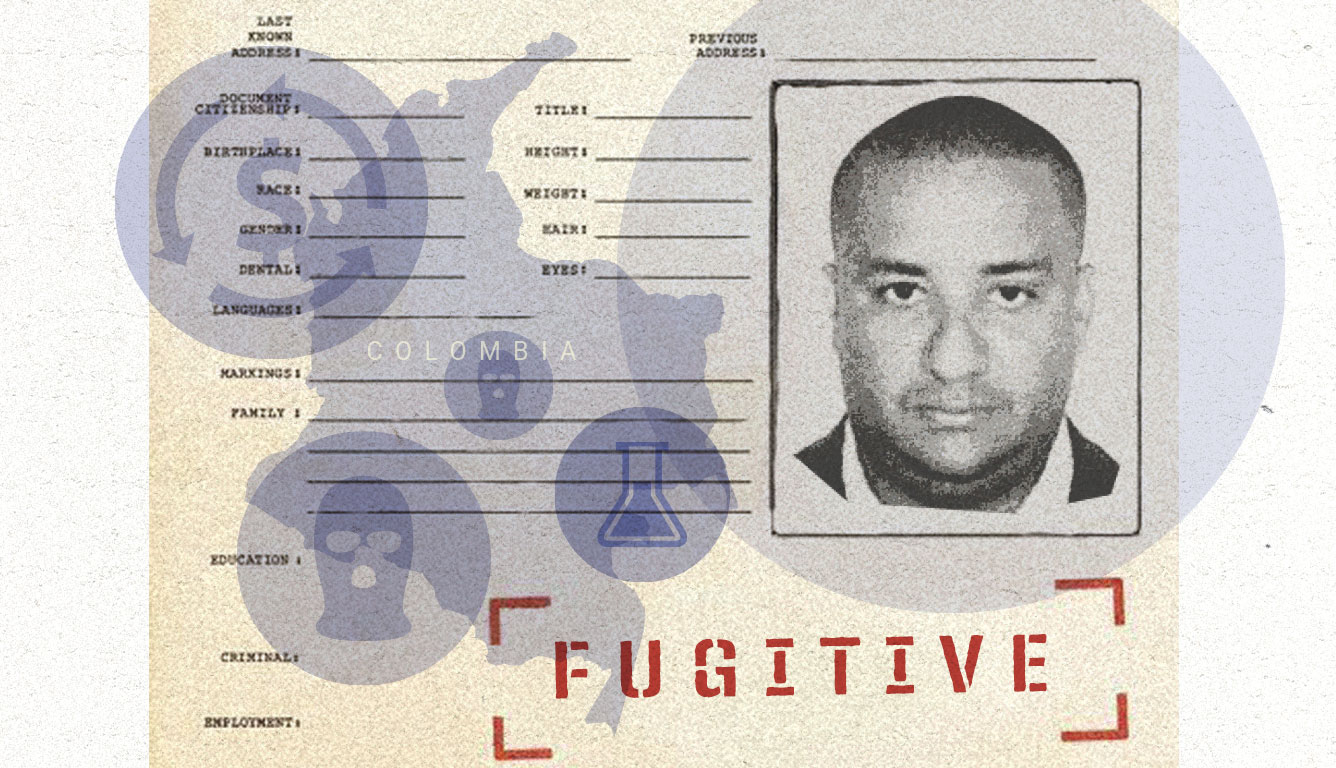
The Gaiatanist self -defense forces of Colombia (Autodefensas Gaitanistas de Colombia – AGC) are known as many names: the Gulf clan, the Urabeños and the Gaitanistas.
The group emerged ash from the paramilitary movement of Colombia, when Vicente Castaño, a paramilitary commander of the ASC, led a faction that separated from the group's demobilization process in 2006.
In the years that followed, the group came to dominate Urabá, the northwest region of Colombia near the Panamanian border, which is very popular with drug traffickers for its access to the Caribbean and Pacific coasts. The group has become the de facto authority in the region, controlling all aspects of life.
The group also developed a single franchise structure: approximately a third of local AGC cells responded directly to the AGC leadership in Urabá, and the others were local criminal groups that used the AGC name in exchange for services when called.
Using this model, the group developed quickly and widely, establishing a presence in more than half of the departments of Colombia and becoming the dominant criminal force in a large part of the country. The main activity of the AGC has long been drug trafficking, with control over the drug production areas, traffic corridors and international distribution points in northern Colombia, along the Pacific and Atlantic coasts, and along the land border with Venezuela.
But the group is also involved in other criminal savings. The franchise model means that local cells that are financially self -sufficient. Consequently, many continue criminal savings outside of drug trafficking, such as illegal mining, extortion, smuggling of migrants and microtrafficking. These groups can also direct or impose other criminal activities on their territory.

