

Sunset
The afternoon ends
The sunset is coming
A great moment
The sun leaves (to go to bed)
It’s already at night. Everything is over.A poem by Nadia Nencini (1984 – 1993). Victim of Nine, nine, Cosa Nostra
Stronged on the arrest of Riina and article 41-Bis, Cosa Nostra launched a series of terrorist Attacks against the Italian continent. These were intended for reprisals against the Churh and the State, which had finally taken a firm position against Cosa Nostra, and also as a political maneuver designed to put pressure on the government to revoke the Duro Carcere. In addition, the attacks were a warning to all the mafiosi who planned to defect and become Pentiti.
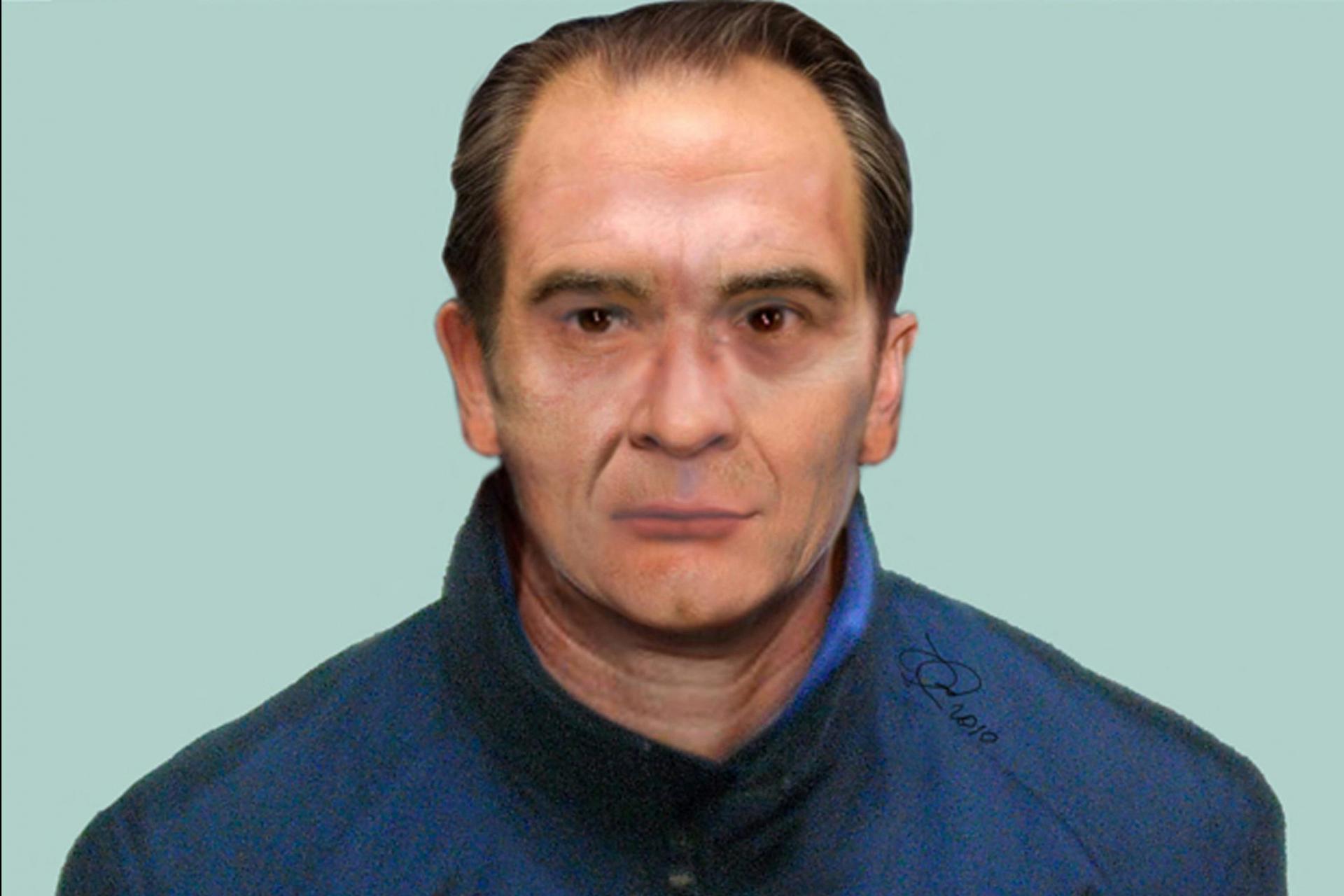
The attacks were an original idea of Matteo Messina Denaro, the son of Francesco Messine Denaro, also known as Don Ciccio, who began his career as a campiere and implemented it as the boss of Castelvetrano Cosca and the head of the Trapani Mafia Commission. Don Ciccio prepared her son for the mafia from an young age. In the second mafia war, Castelvetrani forged an alliance with the Corleonesi, and Messina Denaro has become a protégé de la Belva (The Beast) Totò Riina. He is accused of having killed more than fifty people. “I could fill a cemetery from all the people I killed,” he often boasted in his youth.
“I could fill a cemetery from all the people I killed.”
Matteo Messina Denaro Aka Diabolik
In 1992, Matteo Messina Denaro, who was a little over thirty years at the time, had succeeded his father as a boss of the Castelvetrano clan and head of the Trapani commission. When he learned that Mazara Del Vallo police commissioner, Rino German, had launched an investigation into his business, he decided to assassinate him.
On September 14, 1992, Matteo Messina Denaro, Leoluca Bagarella and Giuseppe Graviano set an ambush to German while driving along the coast to his rented holiday home. The police commissioner turned fire and plunged into the sea. In a turn of lucky events, Kalashnikov of Bagarella blocked and Germanà escaped alive.
When Riina was captured on January 15, 1993, Messina Denaro proposed the reprisal attack strategy. He went to Rome to search for the area and sort the logistics of the attacks. The first ambush took place on May 14, 1993, with a bomb targeting Maurizio Costanzo, a popular Italian presenter who had rejoiced publicly when Riina was arrested. Fortunately, Maurizio Costanzo and his wife Maria de Filippi survived, but the presenter and 21 other innocent passers -by were injured by the explosion.
A few days later, on May 27, a Fiat Fiat Fiat Fiat van filled with 280 kilograms of Pentrite and T4 mixed with TNT was parked under Torre Dei Pulci in Via Dei Georgofili in Florence. He exploded at one o’clock in the morning, exploding a crater three meters wide and two meters deep and dispersing dangerous fragments of metallic debris throughout the street.
The explosion was so powerful that the entire city center lost power and made the darkness. He killed five people, including an entire family – the municipal police inspector Fabrizio Nencini, his wife Angelamaria, the lifestyle at Accademia Dei Georgofili, and their two daughters, his nine -year -old daughter Nadia and Caterina two months. A 20 -year -old architecture student called Dario Capolicchio also died. In addition, thirty-three other people were injured and had to be hospitalized.
The placement of the bomb, the massive quantity of explosives and the time of the day which was to explode clearly indicated that the main target had been the Uffizi gallery and the Torre dei Pulci of the 15th century. It was an attack on culture and heritage in northern Italy. The Uffizi gallery had recently installed bullet-proof glass, so although there were serious structural damage, the vast majority of works of art survived intact. The Torre Dei Pulci, on the other hand, was destroyed, and with him the Nencini family who lived there.
On July 27, in a clear message to the Pope, two distinct bombs struck the Basilica of San Giorgio (St George) and the Basilica of San Giovanni Latrano (St. John Leterran) in Rome. A third bomb was also exploded in Milan, with explosives wrapped in a car parked near a modern art gallery in Via Palestro, killing five people.
The attack on San Giovanni Leterrano was symbolic because the church was the cathedral of the Pope in his function of bishop of Rome. However, the most serious damage occurred at the Church of San Giorgio, which was left with a massive gaping hole. It was so damaged that there was a serious possibility of completely collapsing. However, the inhabitants of Rome were determined to save him and dozens of experts and volunteers gathered to collect the dispersed fragments of the building, wrestling them safely in more than a thousand plastic boxes. It took more than three years and two million euros to repair damage.
Extract from the Battle of the soul of Sicily – available to all the main online booksellers

The battle for the soul of Sicily – commands with your favorite retailer below
