

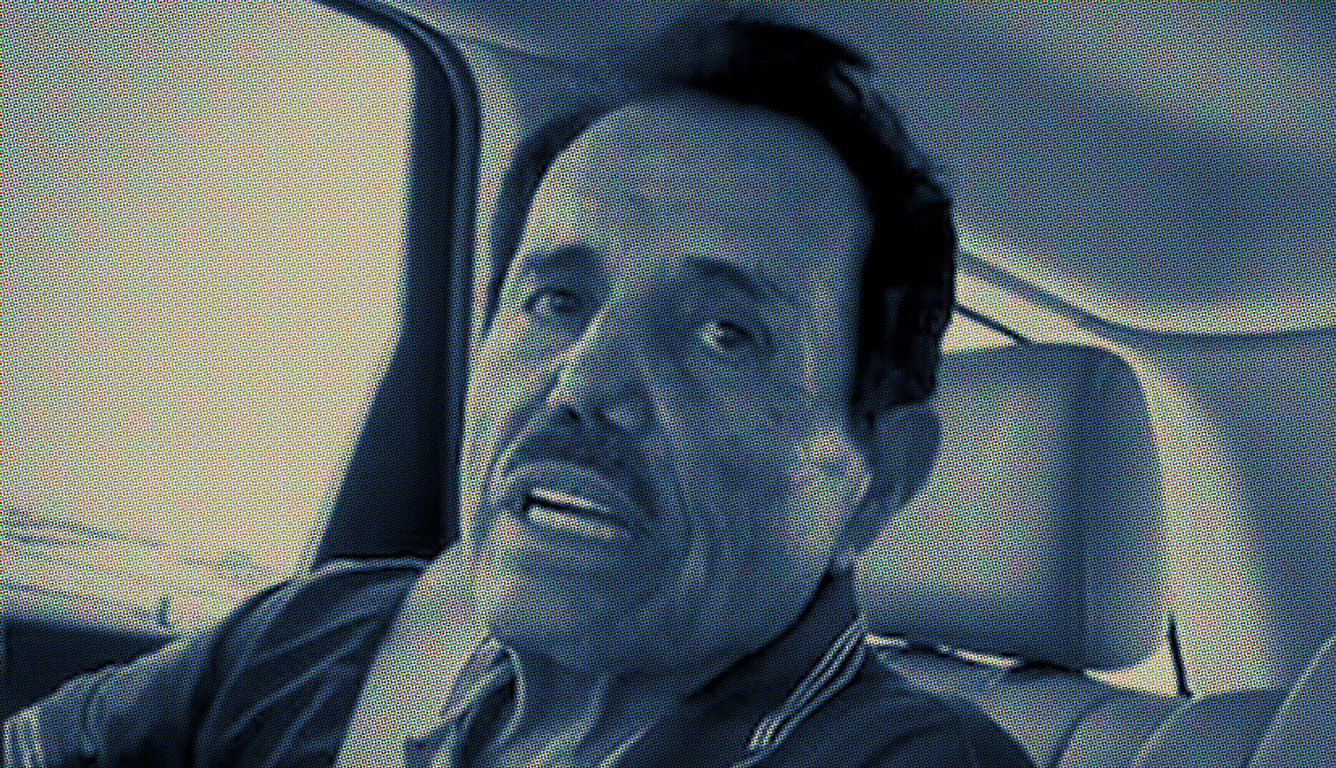
A senior leader in the Chapitos faction of the Sinaloa Cartel has agreed to cooperate with U.S. prosecutors, marking a new court case that will not go to trial and reveal the inner workings of organized crime in Mexico.
Joaquín Guzmán López, one of the sons of the former Sinaloa Cartel leader Joaquín Guzmán Loera, alias “El Chapo“, changed his previous not guilty plea and instead pleaded guilty at a Dec. 1 hearing to two charges of drug trafficking and engaging in a continuing criminal enterprise, according to court documents.
Lopez was arrested in July 2024 after a dramatic sequence of events which then triggered a ruthless war within the Sinaloa cartel which still rages today. He was taken into custody after orchestrating the kidnapping and surrender of Ismael Zambada García, alias “El Mayo”, the infamous former drug capo who spent decades evading capture.
Read our special series chronicling the impact of the Sinaloa Cartel's internal criminal conflict and what it meant for the dynamics of organized crime in Mexico.

In reaching a plea agreement, López joins his brother, Ovidio Guzmán López, who also pleaded guilty to federal drug charges earlier this year. Both men are accused of leading the Sinaloa cartel. Chapitos faction alongside Iván Archivaldo Guzmán Salazar and Jesús Alfredo Guzmán Salazar, both also sons of El Chapo. Iván and Jesús remain at large and are primary targets for U.S. and Mexican law enforcement.
The Guzmán López brothers are among many members of the Sinaloa cartel arrested and extradited to the United States who have decided to cooperate with authorities. One of the most recent occurred in November, when José Guadalupe Lupe Tapia Quintero, aka “Lupe Tapia,” another top lieutenant whom U.S. prosecutors called a “major coordinator” of the drug shipments, also agreed to cooperate.
Although those negotiations mean no explosive revelations about Mexican drug trafficking will come to light in a trial, López's plea deal provided more details about a landmark event: what led to Zambada's conviction. kidnapping and arrest.
SEE ALSO: Truth or lie? Letter from El Mayo Fuels Mexico-US Tensions Following Sinaloa Cartel Arrests
López admitted to luring Zambada to a meeting at a ranch in suburban Culiacán on July 25, 2024, according to court documents. López was waiting for Zambada when he arrived and, after finding him alone, several armed men handcuffed him and threw a black bag over his head.
This version of events follows with a statement Zambada was released through his lawyer shortly after his capture, in which he explained how he was tricked into meeting López and then kidnapped.
“As soon as I set foot in that room, I was ambushed. A group of men attacked me, threw me to the ground and placed a dark-colored hood over my head. They tied me up and handcuffed me,” Zambada said in the statement. letter.

The group then carried Zambada into a pickup truck that was idling outside the ranch and took him to a nearby airstrip where a small plane was waiting. Once on board, Zambada was tied up and sedated.
After Zambada was incapacitated, the plane flew north from the capital of Sinaloa, over the U.S.-Mexico border, and to a private airport in the southern part of the state of New Mexico, where agents of the U.S. Drug Enforcement Administration (DEA) were waiting.
Neither the DEA, the U.S. Department of Justice, nor López's attorney, Jeffrey Lichtman, responded to InSight Crime's request for comment on these events at the time of publication.
López said in the plea agreement that the U.S. government “did not request, instigate, sanction, approve, or condone the kidnapping.” However, while the U.S. government may not have requested the kidnapping, DEA agents appear to have been aware of the plan.
At that time, López's brother, Ovidio, was already in custody and actively negotiating with federal prosecutors. It was through him that they must have known about the kidnapping plan, according to Mike Vigil, former head of international operations for the DEA.
“(The U.S. government) didn’t participate, but they knew Joaquín was going to try to kidnap Mayo Zambada,” he told InSight Crime. “That’s why when the plane carrying them landed in Santa Teresa, New Mexico, U.S. federal agents were already waiting.”
The extent of the United States' role in Zambada's kidnapping is not the only aspect of the case that remains unclear. During the meeting to which Zambada was summoned to the ranch, Héctor Melesio Cuen Ojeda, former mayor of Culiacán and rector of the Autonomous University of Sinaloa (Universidad Autónoma de Sinaloa – UAS), was assassinated.
The Sinaloa state attorney general's office initially said Cuen was killed during an attempted carjacking at a gas station far from the ranch. But that version of events was eventually disproven, and prosecutors later said Cuen was murdered at the ranch after confirming that bloodstains found at the site belonged to him.
Cuen's body was later cremated before a proper autopsy was conducted, preventing a full investigation into the murder and leaving the details of his death unclear.
