

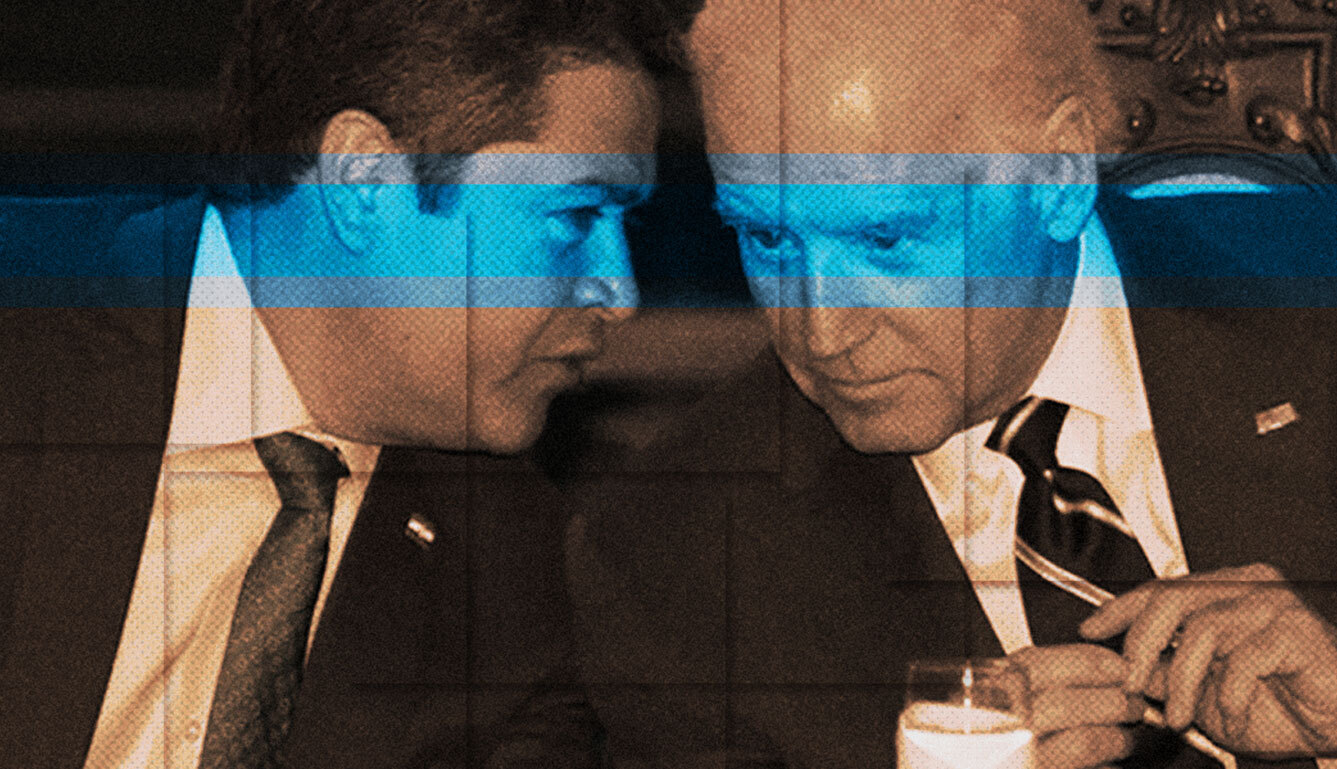
US President Donald Trump's plans to pardon former Honduran President Juan Orlando Hernández debunk evidence US prosecutors used to convict the former head of state of cocaine trafficking.
The pardon, announced by Trump via his Truth Social account but which must be made official, expresses the decision to prosecute Hernández in political terms.
“I will grant a full and complete pardon to the former president Juan Orlando Hernandez who was, according to many people I respect greatly, treated very harshly and unfairly,” Trump said in the statement. Article from November 28.
But U.S. prosecutors, including Trump-appointed Judge Emil Bove, spent years building a case against Hernández, based on testimony from numerous drug traffickers, records and other evidence that they presented to the court during a three-week trial in 2024.
It remains to be seen if and when the pardon will be granted. For now, Hernández remains incarcerated in a U.S. federal prison and his release date is set for June 2060, according to the Bureau of Prisons (BOP).
Read our special series tracing the rise and fall of Juan Orlando Hernández, one of the only heads of state to be prosecuted for drug trafficking in the United States.

Hernández served as a congressman and then president of the National Congress before being elected to two consecutive terms as president of Honduras between 2014 and 2022. During that time, U.S. prosecutors said he in connivance with a wide array of high-level drug traffickers to smuggle more than 500 tons of cocaine into the United States in exchange for millions of dollars in bribes.
Shortly after leaving office in 2022, Hernández was arrested on charges of drug and arms trafficking and extradited in the United States. In 2024, it was guilty after a three-week trial marked by extraordinary testimony from convicted drug traffickers and former associates. A judge condemned him to 45 years in prison for his role in the drug trafficking conspiracy.

“For more than a decade, the defendant abused his political power to operate Honduras…as a narco-state,” U.S. prosecutors wrote in court documents. At one point, Hernández even told an associate that he would “put drugs up the noses of gringos.”
One of Hernández's closest accomplices was his brother, former congressman Juan Antonio “Tony” Hernández. Federal authorities stopped him in 2018 in Miami on drug and weapons charges. He was sentenced to life in jail after jury condemned him to use his political connections to smuggle cocaine into the United States.
Before his arrest, Hernández had been the U.S. government's main anti-drug ally in the region for years, despite growing suspicions of its links with the cocaine trade. His potential pardon contrasts with the US government's current decision offensive against organized crime in Latin America to fight drug trafficking.
Since the beginning of September 2025, American forces bombed more than 20 ships suspected of drug trafficking and killed at least 83 people. That has been accompanied by a military buildup in the Caribbean that many analysts suspect is aimed at removing Venezuelan President Nicolás Maduro, whom U.S. officials accuse of profiting from drug trafficking.
Narco testimony details millions in bribes
Hernández's conviction was secured in part thanks to damning testimony provided by a number of high-profile drug traffickers during his trial in New York. Chief among them was Alexandre Ardonconvicted drug trafficker and former mayor of El Paraíso, a small but important trafficking point on the cocaine highway near the Honduras-Guatemala border.
Ardón's relationship with the Hernández family dated back to the late 2000s, according to court documents. For years, Ardón funneled money to the political campaigns of Juan Orlando and other National Party officials through Tony in exchange for protection for cocaine shipments he transported alongside the former president's brother.

Eventually, Ardón saw other drug traffickers pay bribes intended for Hernández, including from Sinaloa Cartel the boss Joaquín Guzmán Loera, alias “El Chapo.” During his trial, Ardón testified how Guzmán traveled to El Paraíso in 2013 to make a $1 million contribution to Hernández's presidential campaign. Ardón was present at the meeting and said Tony then gave the funds to his brother's presidential bid team.
SEE ALSO: How a former mayor could bring down the president of Honduras
That wasn't all. Quote Leonel Rivera Maradiaga, the former leader of Cachiros drug trafficking network, also said he paid Hernández $250,000 in drug proceeds to protect his cocaine trafficking activities. Tony was often the intermediary for these payments, leveraging his political contacts to connect members of the Cachiros and Valles criminal groups, as well as Víctor Hugo Díaz Morales, aka “El Rojo,” a once-powerful figure in regional drug trafficking who became a key cooperative witness in the United States.
Drug records seal conviction
Perhaps the most damning piece of evidence used by prosecutors against Hernández was drug records discovered in June 2018 in the possession of a drug trafficker named Nery Orlando López Sanabria.
The records first emerged during Tony Hernández's trial in 2019. Prosecutors showed a number of entries detailing shipments of cocaine he received and distributed. One from February 2018 listed shipping costs and a $1 million bond for a 650-kilogram shipment of cocaine sent by the former congressman.
Read our thorough investigation in drug records that helped U.S. prosecutors convict Honduras' former president of drug trafficking.

Years later, records prosecutors also entered the records into evidence at Juan Orlando's trial in 2024. Several entries included the letters “JOH,” the initials by which Hernández is known in Honduras. In an exclusive interview with InSight Crime, a girlfriend of López, who was arrested alongside him in 2018, confirmed that the entries referred to drug money paid to former President Hernández.
The evidence proved crucial in convicting Tony and Juan Orlando. He provided prosecutors with physical evidence that added weight to the testimony provided by convicted drug traffickers. But the consequences were rapid. Shortly after the logs were revealed during Tony's trial, six members of the MS13 gang assassinated Lopez in a targeted ambush inside a Honduran prison, shooting and stabbing him multiple times.
